Cybersecurity
Real-Time Threat Intelligence: Best Practices
Best practices for real-time threat intelligence in cloud environments - speed, automated detection & response, alert prioritization, and integration strategies.
·13 min read

Best practices for real-time threat intelligence in cloud environments - speed, automated detection & response, alert prioritization, and integration strategies.
How AI shortens cloud debugging from hours to minutes by analyzing logs, metrics, and traces to find root causes, reduce MTTR, and automate fixes.

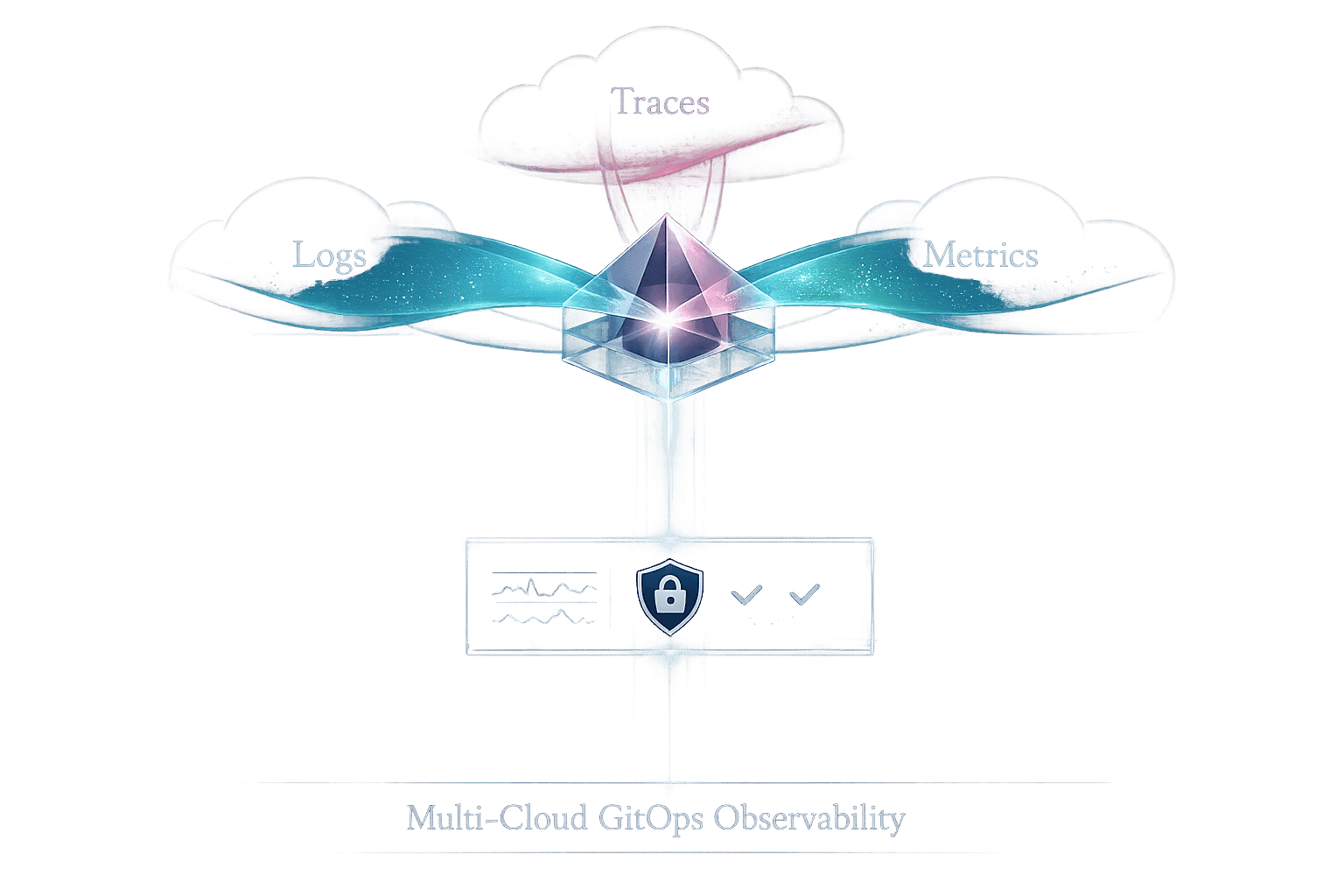
Centralize logs, metrics, and traces with OpenTelemetry, Prometheus, Loki, and Jaeger; monitor Argo CD/Flux, automate policies, and secure cross-cloud telemetry.
Strategies to recover from database migration failures: backups, PITR, transactional rollbacks, blue-green, expand/contract, automation, and testing.
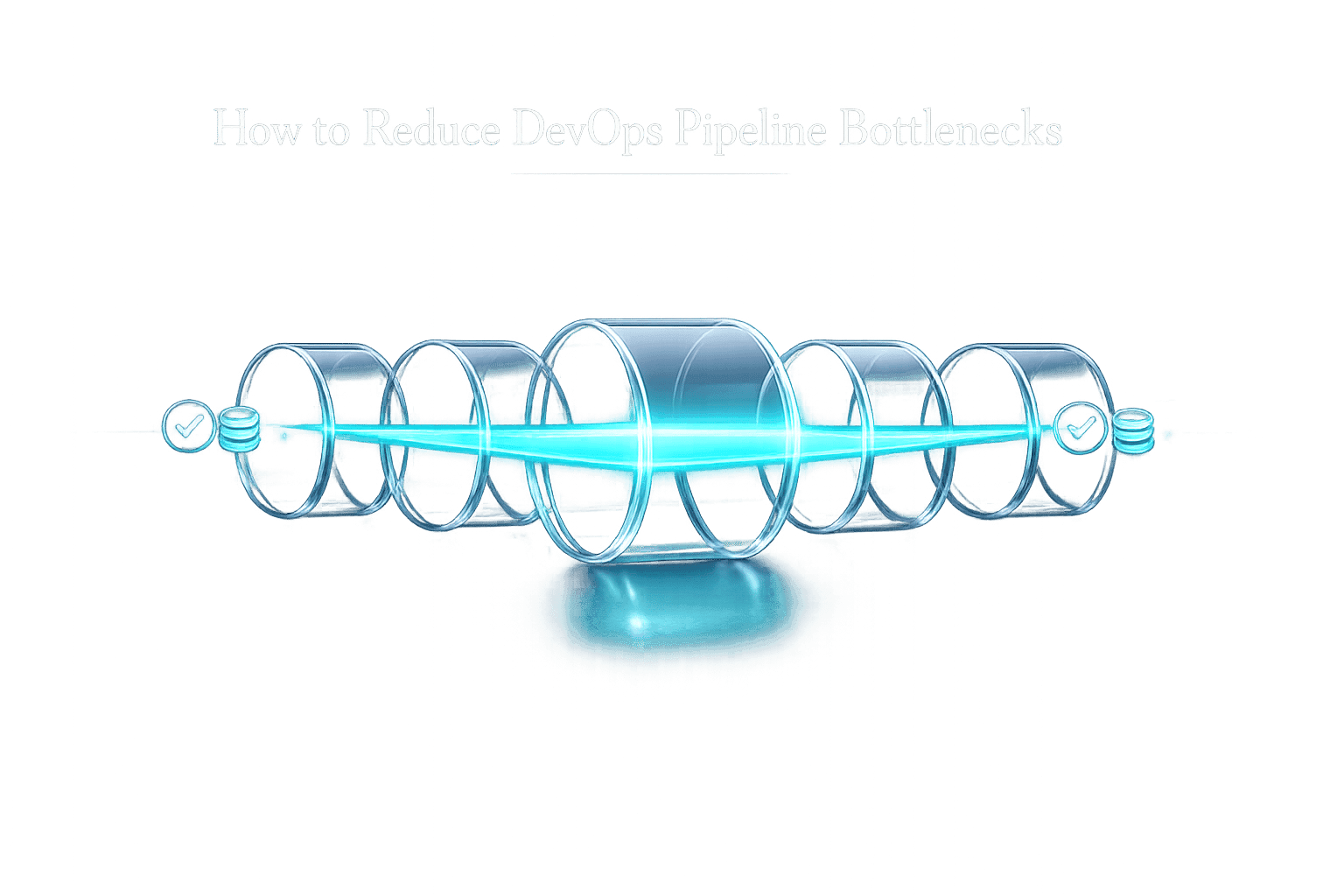
Cut CI/CD delays using predictive analytics, AI test prioritization, automated IaC, and self-healing pipelines to reduce failures and speed deployments.
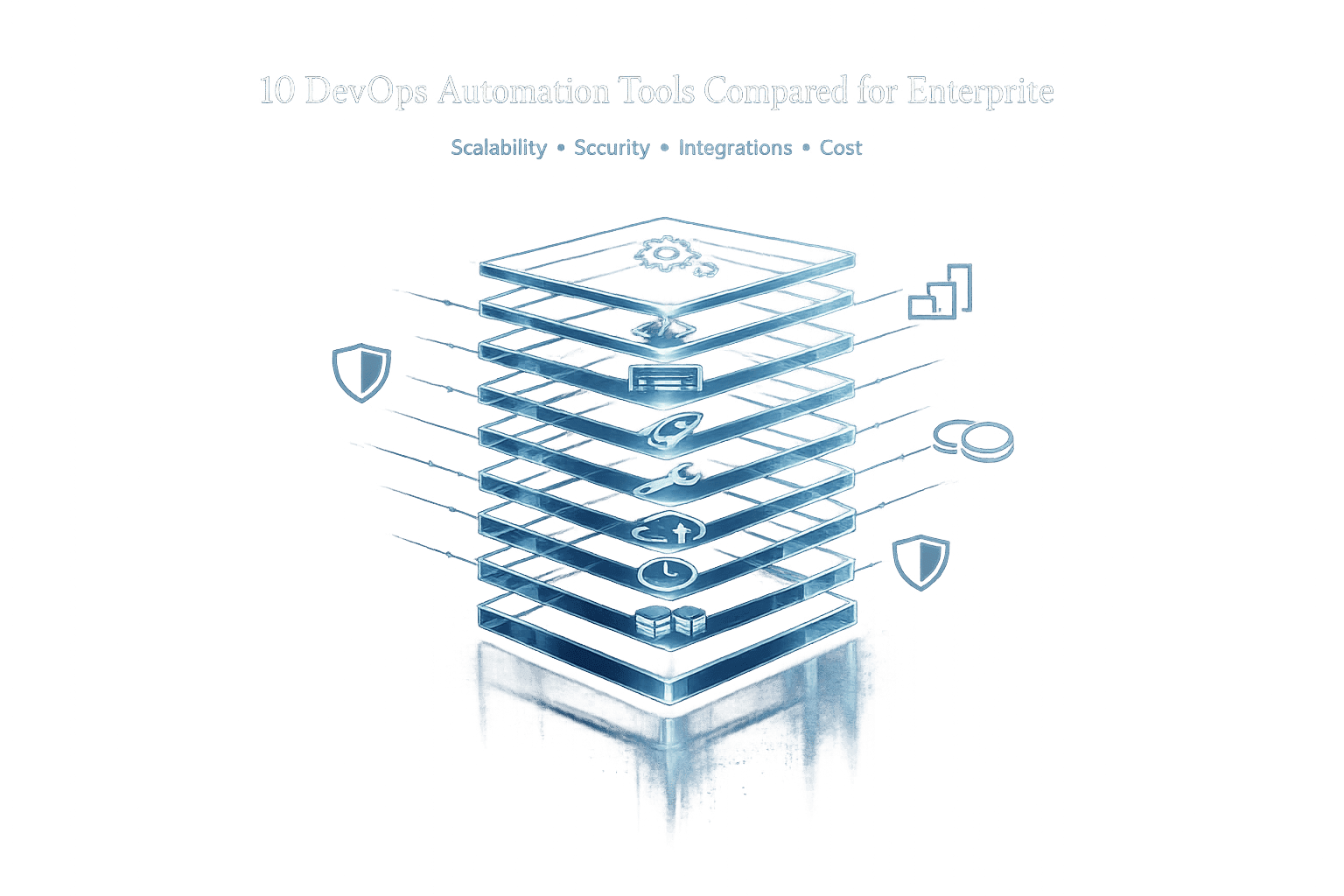
Choosing the wrong DevOps toolchain stalls delivery and raises risk; this comparison reveals tradeoffs in scalability, security, integrations, and cost.
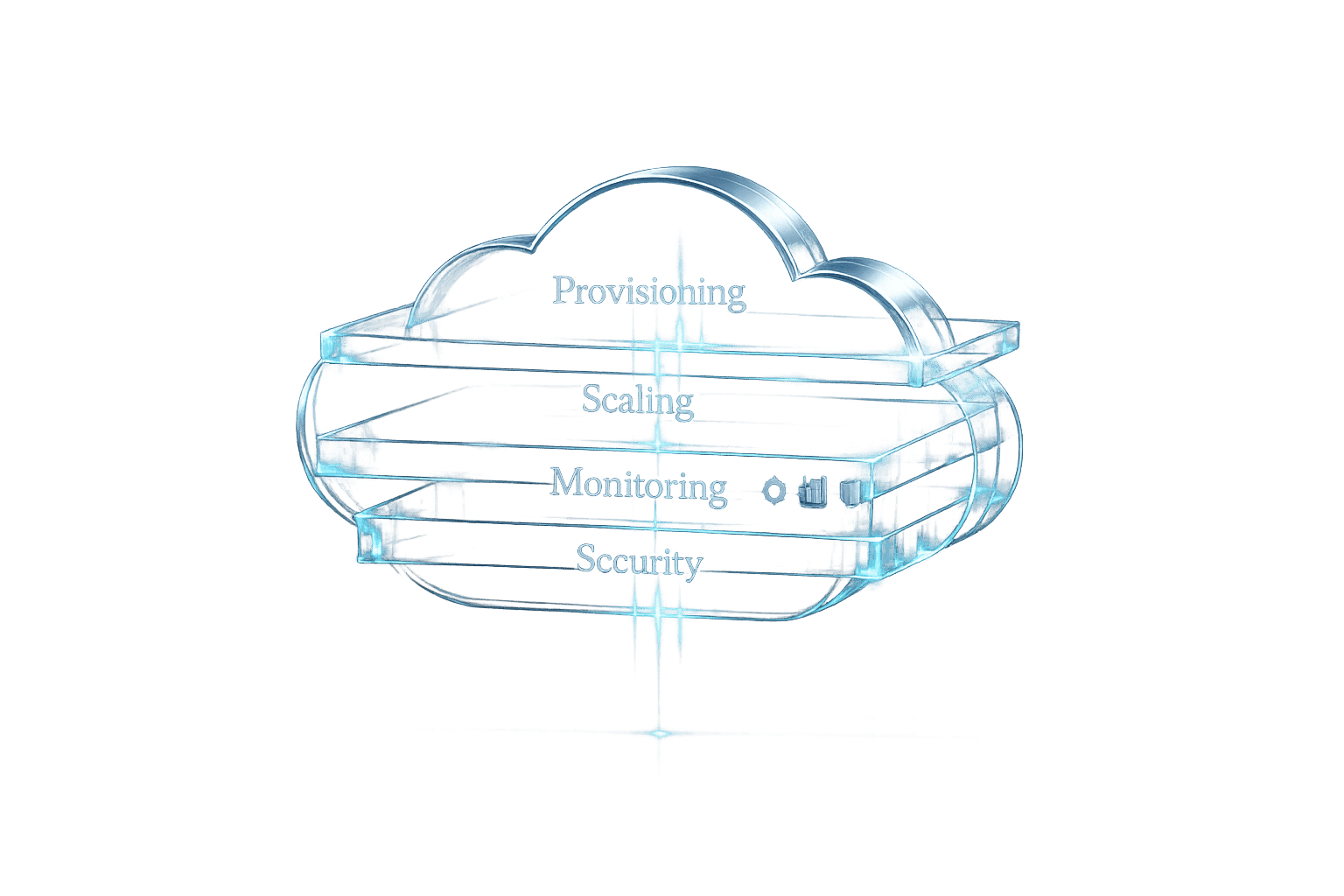
AI-driven Infrastructure-as-Code automates provisioning, scaling, monitoring and security to cut cloud costs, reduce errors, and speed delivery.
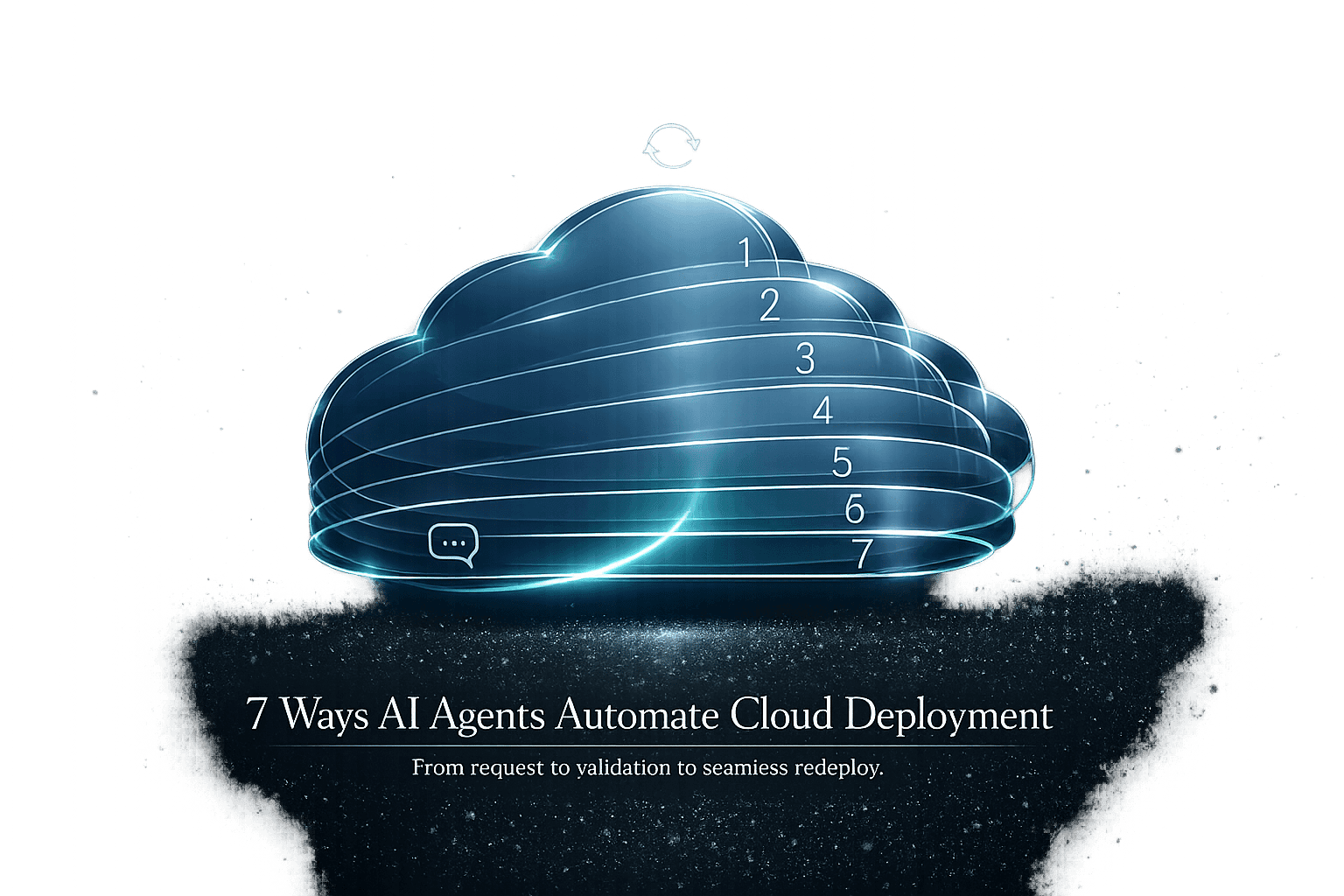
AI agents convert plain-language requests into IaC, provision resources, run validations, diagnose issues, and auto-redeploy for faster, safer deployments.
Five IaC practices: version control, automated testing, modular design, consistent environments, and secure secrets for reliable cloud deployments.