
Build enterprise software.
Kanu AI operates inside your cloud and takes responsibility for building, testing, deploying, and validating software until it's ready for production.
Enterprise software takes months to deliver
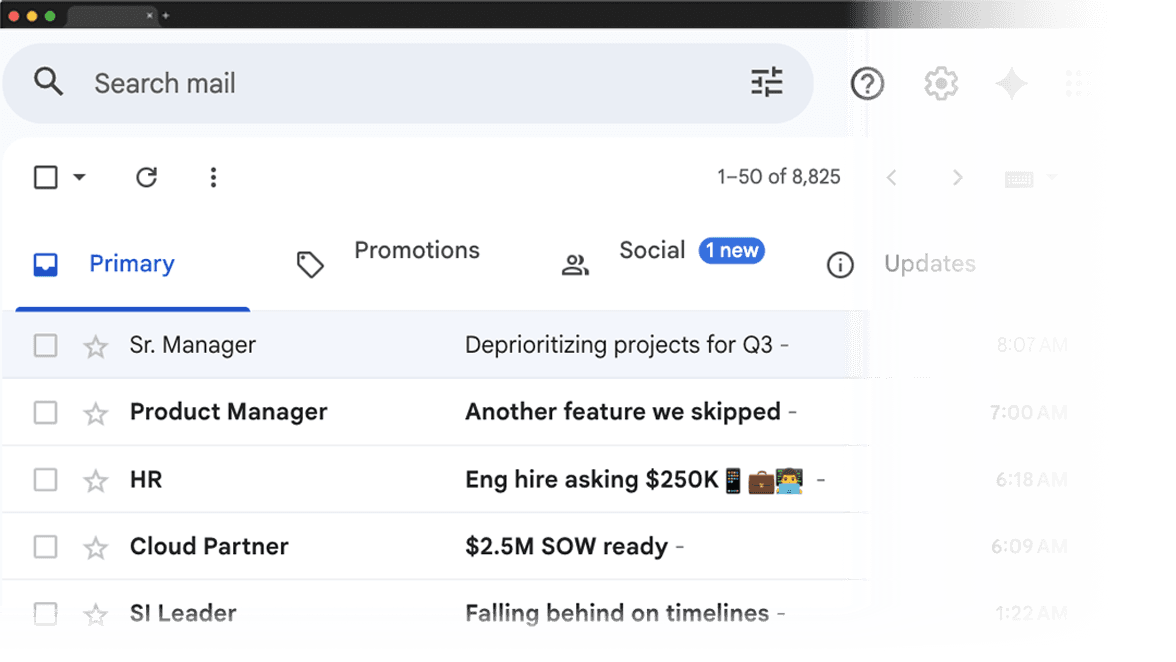
Rising costs and long delivery cycles are not just about writing code. Teams lose momentum in the build, test, deploy, and debug cycle required to reach production quality software across complex cloud environments.
Traditional
Kanu AI
Kanu is an AI agent that turns requirements into production ready systems on your existing cloud.
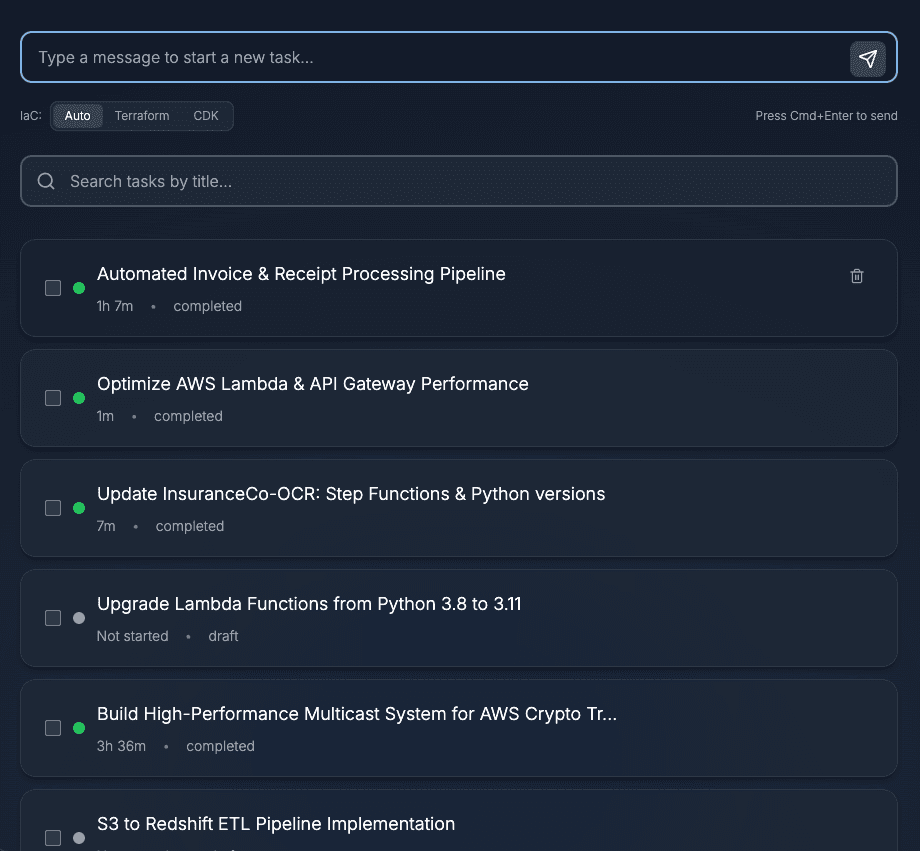
Describe what you want to build, modernize, or upgrade. Share requirements, constraints, and what success looks like.
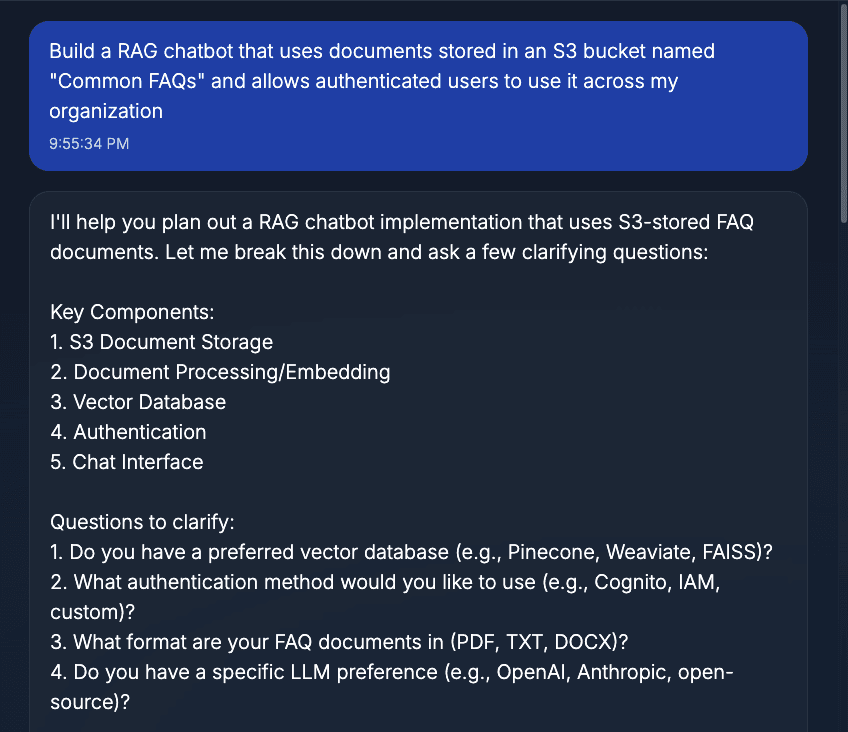
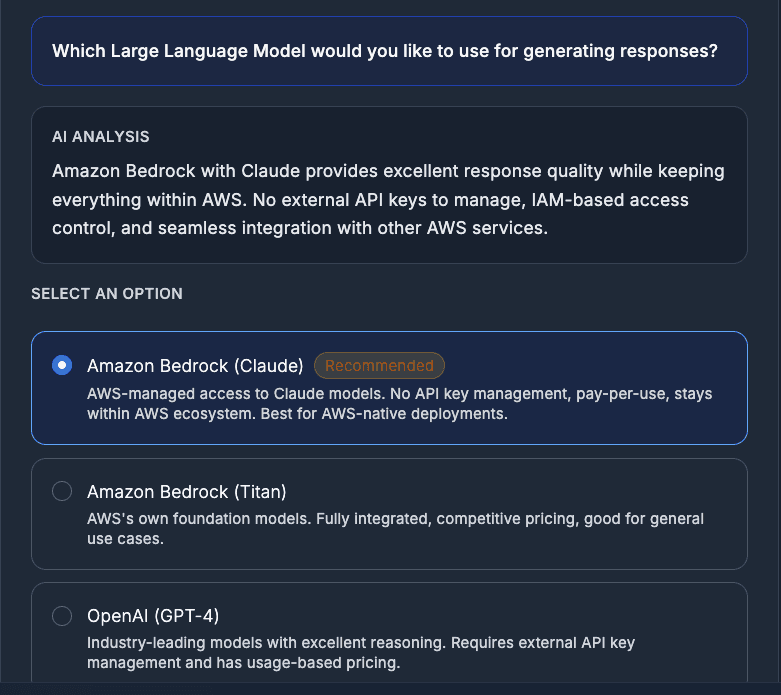
Kanu executes end to end while keeping you in control. It surfaces critical tradeoffs for approval and then carries the work forward.
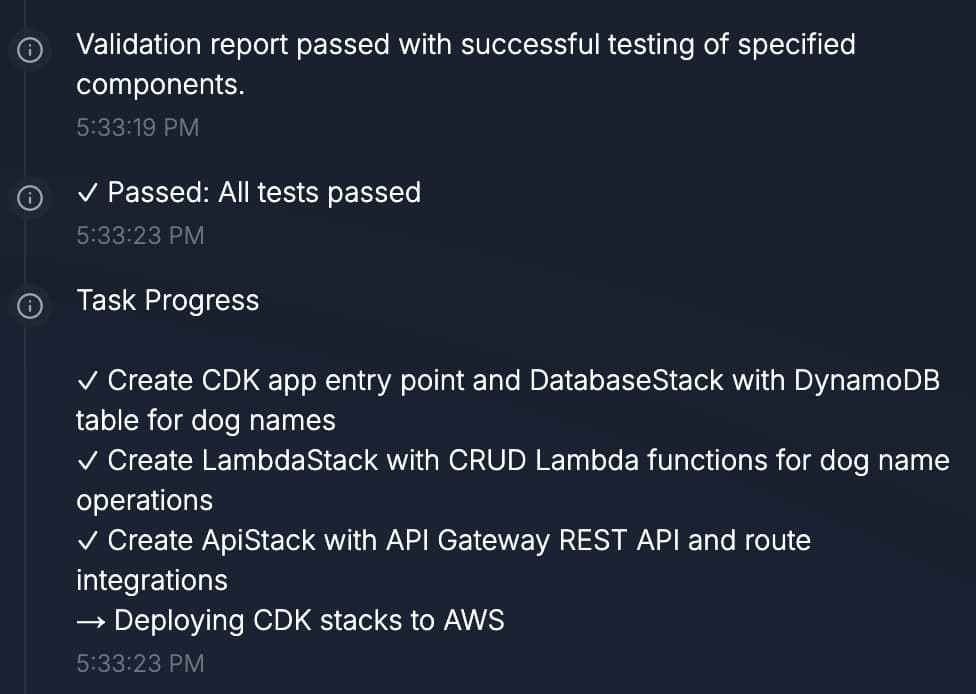
Kanu iterates until it deploys successfully in your test environment and passes 250+ checks. Then it opens a pull request for your team to review.
An AI agent built for enterprises, grounded in security and privacy by design.
Full control
Kanu runs inside your existing cloud accounts with zero data egress. Your code and infrastructure stay in your environment.
Well-Architected by default
Guardrails apply proven best practices for cost, security, reliability, and performance across everything Kanu builds.
Production ready and compliant
Before anything is handed to your team, Kanu validates the system against 250+ compliance and data checks and delivers a deployable artifact ready for your release process.

Accelerate delivery across product, engineering, and operations
Kanu owns the execution work required to reach production readiness. Teams can move more initiatives forward in parallel while Kanu handles the heavy lifting across code, infrastructure, testing, and deployment. Over time, Kanu learns how your organization engineers so it can operate more accurately with less back and forth.
Software engineers ship more with less context switching. Kanu builds, tests, deploys, and validates changes, then delivers a PR for review so engineers can focus on system decisions and product quality.
Cloud infrastructure teams modernize faster. Kanu applies migrations, refactors, and rebuilds inside the enterprise cloud, surfaces tradeoffs, and validates results in test environments before review.
QA engineers receive artifacts that are already validated against 250+ checks. Manual regression effort drops, letting QA focus on edge cases, security review, and user acceptance.
Frequently asked questions
No. Kanu is designed to increase engineering leverage, not replace engineers. Engineers remain in control of system design, architectural tradeoffs, and final approvals. Kanu handles the execution work required to reach production ready software, including generating application and infrastructure code, running tests, deploying into test environments, and resolving failures. By owning those steps, Kanu allows engineers to manage multiple workflows in parallel instead of manually guiding each change through every phase of the lifecycle.
No. Kanu deploys to your test environment and iterates there until the system works as expected. Once validated, Kanu opens a pull request for your team to review and decide when and how to promote changes to production.
Kanu connects to your existing code repositories and runs inside your cloud accounts. It supports standard Git workflows and integrates with platforms such as GitHub and GitLab. Kanu operates across major cloud providers, including AWS, GCP, and Azure, and supports infrastructure defined using tools like Terraform and AWS CDK.
In internal benchmarking across real cloud engineering tasks, Kanu achieves approximately 85% accuracy on first outputs. Because Kanu operates inside your cloud environment and learns how your organization engineers over time, reliability improves as it is used across more systems and projects.
Ready to accelerate your enterprise delivery?
See how Kanu turns requirements into production ready systems on your cloud, then hands your team a PR to review in days, not months.